Landscaping works under way
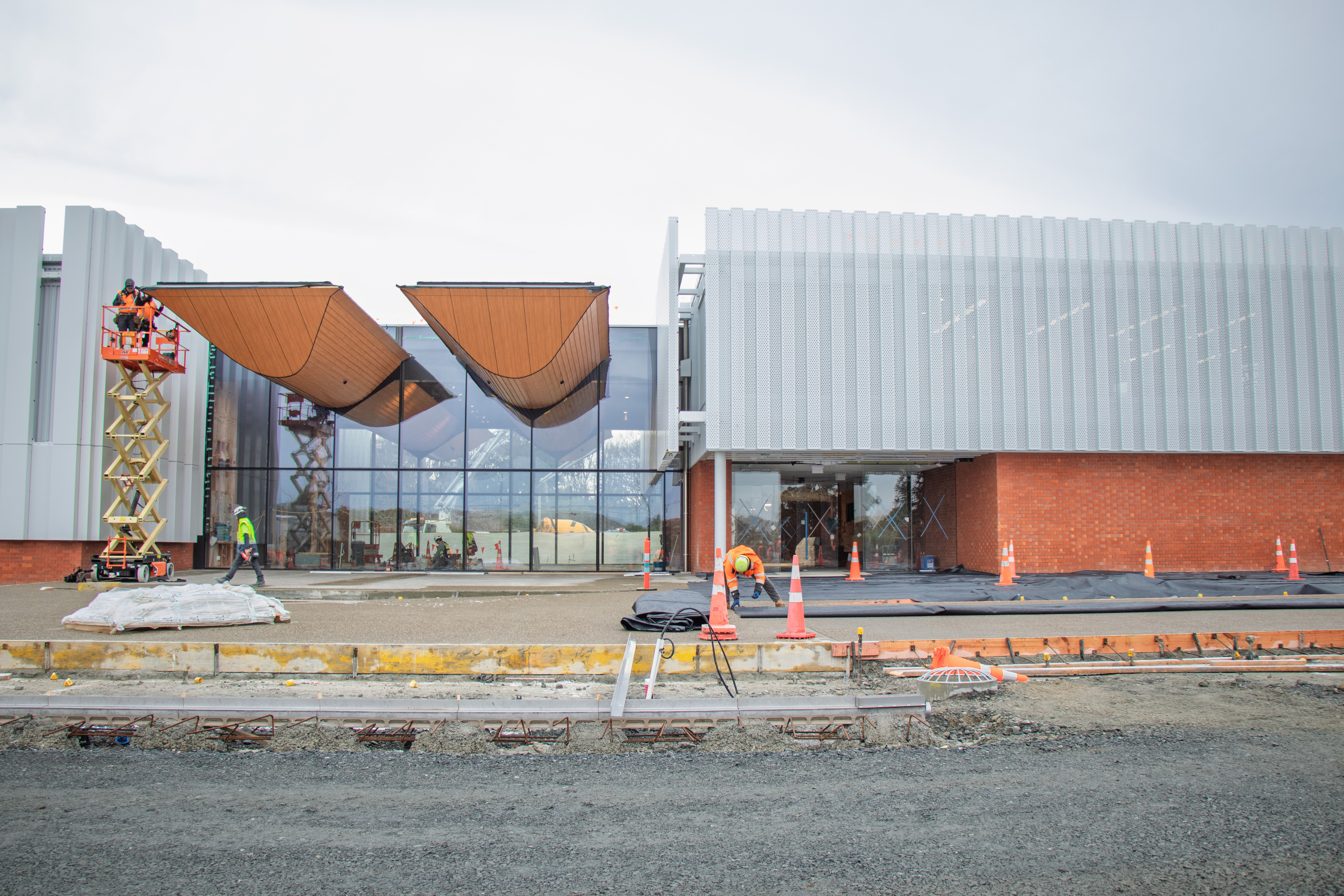
Exterior works are in full swing on-site at Te Unua Museum of Southland.
Landscaping and exterior works are well under way at the development of the new regional museum in Invercargill, with a significant programme of improvements set to create stronger connections between Te Unua Museum of Southland, Queens Park, and the inner-city.
Invercargill City Council was rebuilding the regional museum on the previous site of the former Southland Museum and Art Gallery, with the new facility scheduled to open in 2027.
Invercargill City Council Group Manager Community Spaces and Places Rex Capil said with the completion of the physical construction of the new museum fast approaching, the landscaping works was set to transform exterior spaces around the museum.
Exterior works included the creation of accessible pathways, planting, seating, gathering spaces, and improved connections into the surrounding park.
“We view the redevelopment of our regional museum as a real opportunity to strengthen the relationship between Te Unua, and one of our city’s most treasured green spaces,” he said.
“Right from the start, our new museum has been designed with a much greater connection to Queens Park in mind, with lots of glass looking out over the green space and enhanced indoor-outdoor connectivity, from the outdoor dining and play areas, the mezzanine, and the elevated terrace.
“We want Te Unua to be a key regional attraction that encourages increased visitation to the city of Invercargill – whether that is by people who reside here, or have travelled from elsewhere. Queens Park is one of the crown jewels of our city, and it is an award-winning asset, and the development of Te Unua has been designed to complement and enhance the wider Invercargill experience,” Capil said.
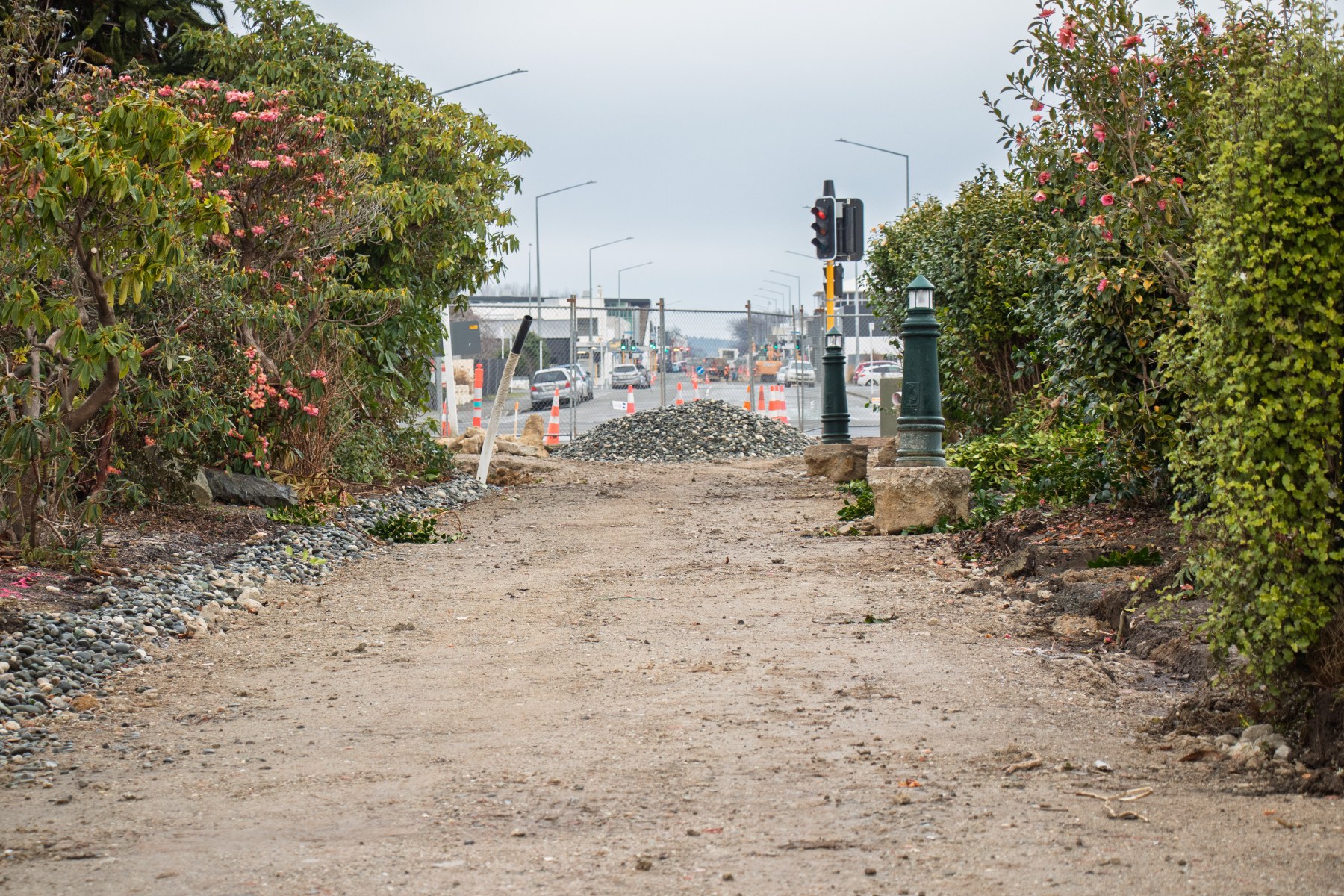
Landscaping works will include greater connectivity to both Invercargill’s inner-city, and throughout nearby Queens Park.
A key focus for the works included an upgrade of the museum’s Gala St frontage, where drainage and network infrastructure was being installed to improve the usability of green spaces – particularly in wet weather, he said.
Landscaping works would also strengthen the connection between the regional museum and the inner-city, and natural freeform mounds would also be created to provide informal seating areas.
One of the key improvements included in the works would be made to pathways linking the museum to the central business district and the wider Queens Park space.
Capil said existing pathway connections would remain, but would be realigned and upgraded to improve accessibility for all manuhiri (visitors), while surfaces in nearby public car parking areas would also be improved.
“We want Te Unua to be a space everybody can enjoy, no matter how they get here, from the moment they arrive,” he said.
Sustainability also played a key feature in the development of exterior works associated with the museum redevelopment.
A native planting swale would also be created between the museum and the site of the bowling club nearby, providing both an attractive landscape feature as well as a sustainable approach to managing stormwater. Rain-garden planting – similar to that now seen in Esk St – would also be incorporated into the programme of works on-site.
Meanwhile, the museum car park would offer 81 car parks, including six dedicated electric vehicle parks and charging infrastructure. Recycled material from the former museum – including bricks and concrete – had been used as fill beneath pathways, he said.
Invercargill City Council’s project management and museum teams would work with its Parks department on the development of an outdoor play space on the northern side of the museum, adjacent to the on-site café, he said.
Perimeter fencing on-site had been extended, and while it would remain in place while landscaping works continued, the community would notice its location would change throughout the duration of works.
Meanwhile, some familiar faces – including both the Minerva and tuatara statues – that had formerly been found nearby had been temporarily moved and housed safely off-site while the works continued, Capil said.
The area was still an active construction site, but its beautification would strengthen both the regional museum and the wider Queens Park area, he said.
“There is a huge programme of works involved in bringing everything together, but we are confident the end result is one that our community will quite rightly feel proud of, and be able to enjoy,” he said.