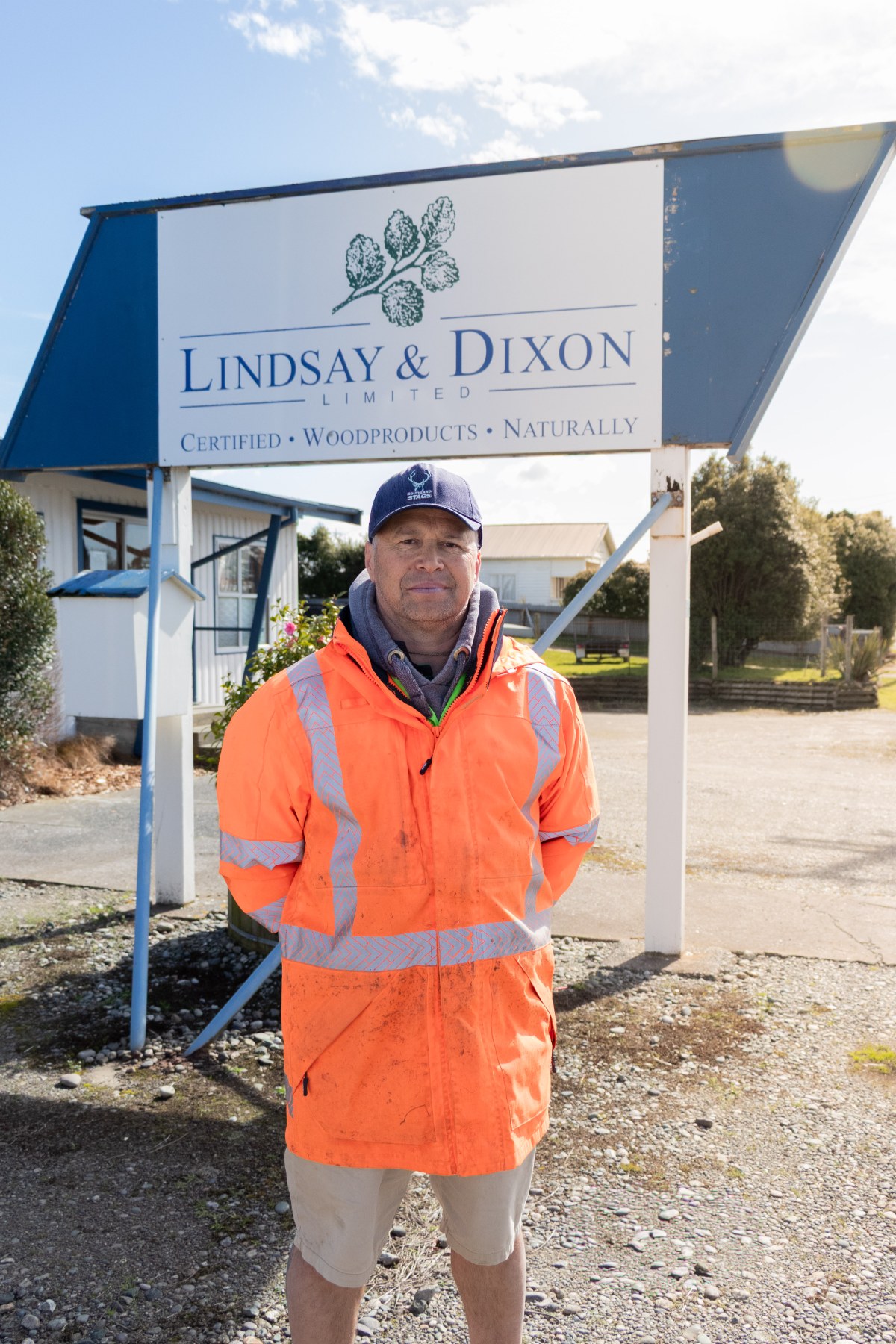
“To me, it’s all about the story behind it. Lindsay & Dixon has been operating in western Southland for 90-odd years. I’m from Riverton, and I’m logging in some of the same areas my family were logging in over 100 years ago, in the Longwood hills and the Pourakino. The history of sawmilling in our region, especially around Tuatapere and Riverton and western Southland in particular, is phenomenal,” he said.
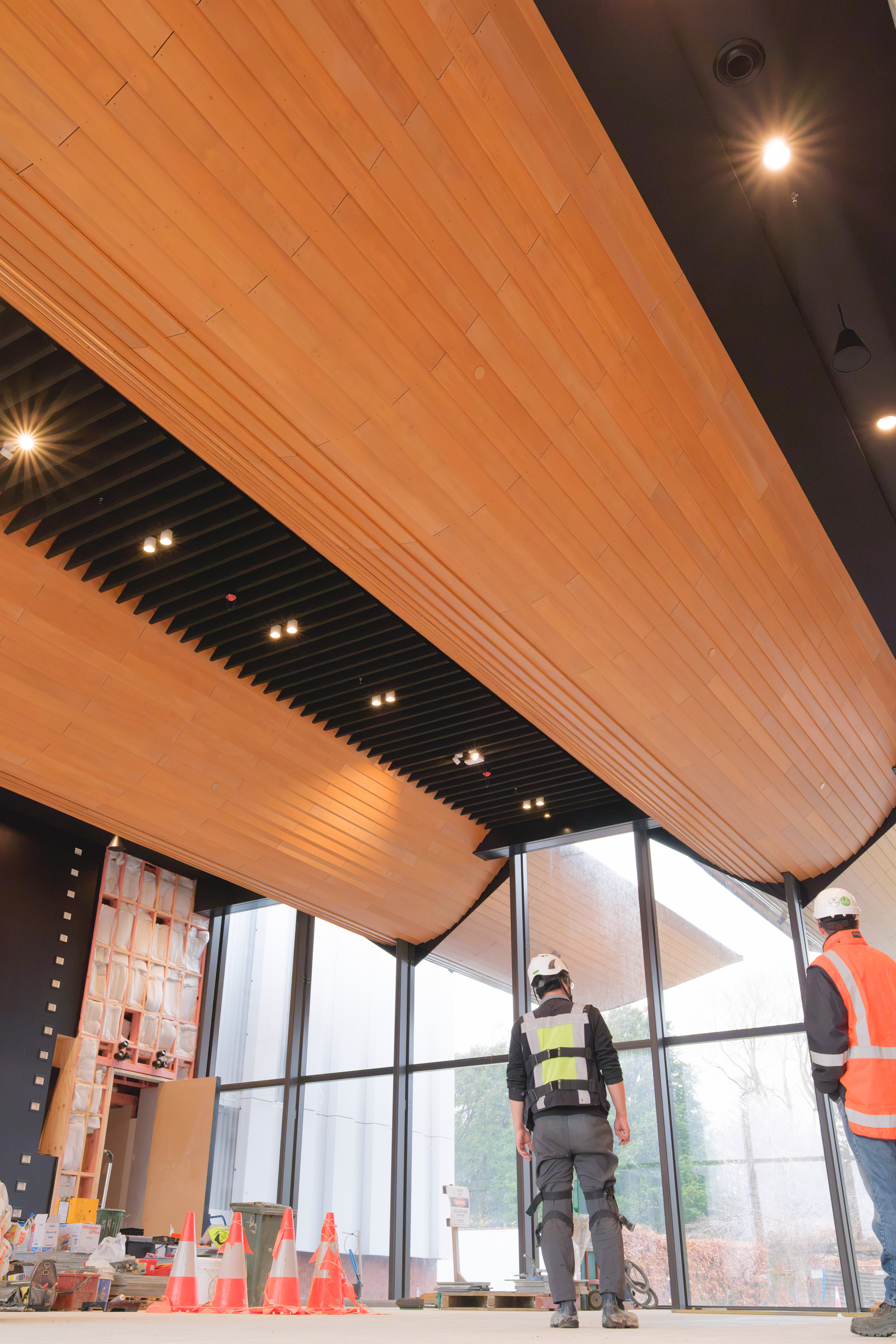
“It just means a lot, because it’s part of our heritage. It makes sense – the Southland museum, using Southland timber.”
He and his wife Amanda bought the mill in December 2025, and knew how much the company meant to the Tuatapere community, Lonneker said.
“The story of sawmilling is huge in Southland. It’s a privilege to be a part of it, and it’s a privilege for that story to be part of the new museum.”
Initially, beech was not popular with early European settlers, who preferred native softwoods such as rimu and tōtara because they were less dense and easier to work with.
However, as milling technology improved during the 20th century, beech became known as a premium wood. It had continued to be highly-prized since, due to both its beauty and its durability.
From the 1970s, the large-scale harvesting of native timber was progressively phased out, and today commercial milling was limited to private forests that operated under strict sustainable management plans. Lindsay & Dixon harvested the regenerating beech forests at Longwood and Rowallan under a sustainable management plan.
Lindsay & Dixon had supplied beech used on a number of significant construction projects throughout the country, including the award-winning New Zealand Supreme Court building.
Beech harvested by the company had also travelled around the world. It had been featured in the production of 12,000 torches that travelled to 27 different countries, used during the Olympic Games torch relay ahead of the 2004 Games in Athens.